
Workplace Bullying & Claim Management
Workplace bullying, a persistent pattern of mistreatment causing physical or emotional harm, is a major driver of employee absence.
(more…)
Workplace bullying, a persistent pattern of mistreatment causing physical or emotional harm, is a major driver of employee absence.
(more…)In New South Wales (NSW), workers' compensation claims often involve employees with pre?existing health conditions such as chronic illnesses, past injuries, or degenerative diseases. These conditions complicate claim assessments and can significantly influence employer premiums. Understanding how the system treats pre?existing issues is essential for businesses navigating icare and the NSW Nominal Insurer.
(more…)
Unpaid internships have long been a controversial topic in Australia’s workplace landscape. While some placements are lawful when tied to vocational study, businesses must remember that productive work requires lawful payment under the Fair Work Act. A recent case involving Sydney start-up Her Fashion Box Pty Ltd highlights the serious consequences of ignoring these obligations.
(more…)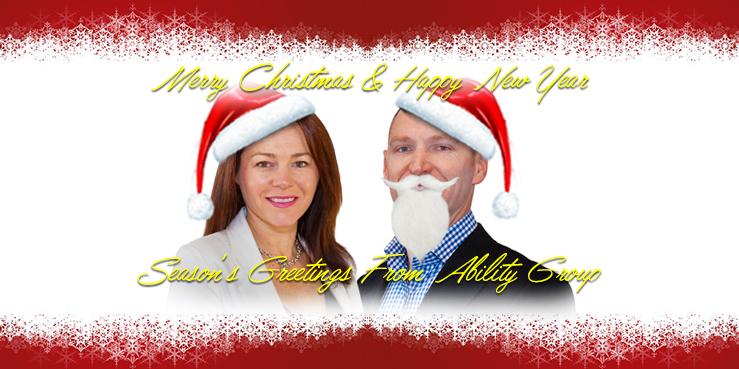
At ABILITY GROUP, we believe the workplace should be more than just desks and deadlines. it should be a space filled with creativity, collaboration, and joy. One of our most beloved traditions is welcoming the elves in our office, who bring a touch of festive magic to our daily routines.
The elves in our office are busy taking care of business & getting ready for the holiday season.
Our office will be closed from Monday 24th of December 2018 & reopens Thursday 10th January 2019.
Click image below to watch a short video to see how our special elves are taking care of business...
Merry Christmas & Happy New Year from Julie, Marc & the ABILITY GROUP team
2018
2017


New rules have been added to the Modern Awards from 1st December 2018 for Flexible Work Arrangements. If you have employees who have worked with you for 12 months or longer, they can request flexible working arrangements.
(more…)
As of 1 November 2018, the Fair Work Commission introduced changes across a large number of modern awards. While many of these adjustments were largely wording-related and did not alter the intent of clauses, several key changes directly impact termination of employment practices. Employers must act on these updates to remain compliant and avoid penalties.
(more…)