SafeWork Australia has released 2015/16 workers compensation data that shows serious claim costs increased by 30%. It is important for employers to provide a safe workplace & training to help prevent injuries. Data indicated certain age groups & industries are at risk.
The NSW workers’ compensation scheme has undergone significant changes in recent years, impacting employers, insurers, and injured workers. ABILITY GROUP has provided updates to help businesses navigate these transitions effectively.
Key Changes in Claim Management
Agent Transition: From 1 January 2018, CGU and QBE ceased being agents of the NSW Workers Compensation Scheme.
New Claim Lodgement: Employers who previously lodged claims with CGU or QBE must now follow a new process. Claims transitioned to GIO and Allianz before moving to EML as the sole agent for new claims from 2018 onwards.
Processing Delays: Some delays occurred during the transfer of claim files, particularly when moving from CGU/QBE to GIO. Employers were advised to stay proactive to avoid late notifications and excess payments.
Employer Responsibilities
Early Notification: Employers must notify claims promptly to avoid penalties and ensure timely support for injured workers.
Understanding New Processes - Familiarity with updated lodgment procedures is crucial to prevent administrative setbacks.
Communication with Employees - Injured workers and employers are notified of transition dates for each claim, ensuring transparency during the handover.
Policy Adjustments
Actual Wages Adjustments: icare announced it would process Actual Wages Adjustments for policies expiring after 29 June 2017, beginning mid-September of that year. This change streamlined policy management and reduced administrative burdens for employers.
Why This Matters
The transition aimed to simplify claim management under a single agent (EML), reduce confusion for employers, and improve efficiency in handling workers’ compensation claims. However, businesses needed to adapt quickly to avoid disruptions and ensure compliance.
On 26 April 2017, Insurance & Care NSW (icare) announced significant changes to the NSW workers’ compensation scheme, reshaping the way claims would be managed from 2018 onward. This announcement followed CGU’s earlier decision to exit the scheme, prompting icare to streamline its agent model.
All workers' compensation merit reviews by Icare can be challenged through judicial review in the NSW Supreme Court. A party may seek to have a decision set aside and returned to icare for reconsideration. After each challenge, Icare assesses the impact on the dispute, the Merit Review Service, and the broader scheme. Despite thousands of merit review applications finalised, only one administrative law challenge has been decided by the NSW Supreme Court.
An accident at the Sydney Royal Easter Show left several employees badly injured while playing on the super-slide at 12:20 a.m., after the show had closed. Given the severity of the injuries, WorkCover NSW is investigating.
This situation reminds us of the frequent questions from clients and partners: What exactly does workers' compensation cover? Unfortunately for business owners, workers' compensation operates as a no-fault system. Because each scheme—state-based, specialised licenses, or national, differs, there is no simple answer. What is clear, however, is that businesses must remain vigilant and cautious.
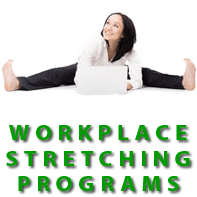
It’s a normal thing to stretch before you go for a run or before you start a game. People are aware of the benefits and reasons to do this. The same benefits from stretching apply in day to day work life. Whether in an office or on a worksite, being “ready” for work can increase productivity and minimise risk of injury. A tailored Workplace Stretching Program can greatly reduce musculoskeletal disorders and work injuries.