In the Australian Capital Territory (ACT), Return to Work (RTW) Coordinators play a vital role in helping injured employees recover and reintegrate into the workplace. Their responsibilities extend beyond compliance, they ensure that workers receive the right support, employers meet their obligations, and the return to work process is safe, fair, and effective
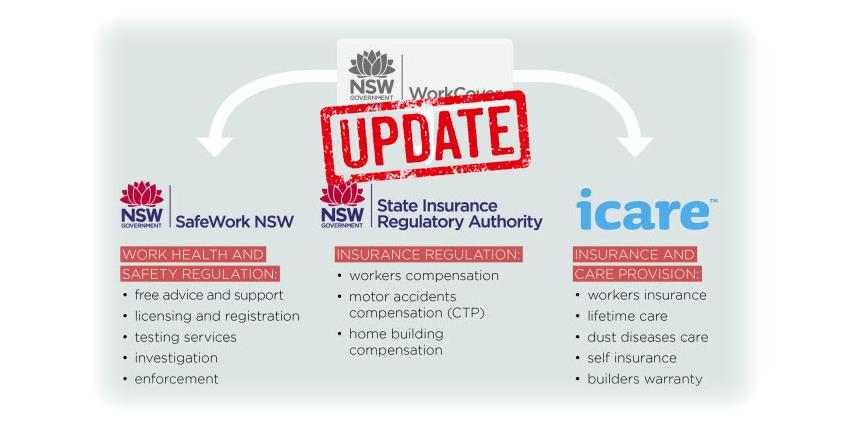
Beginning 1 January 2019, the State Insurance Regulatory Authority (SIRA) introduced reforms to the workers’ compensation dispute resolution process, aligning with the Workers Compensation Legislation Amendment Act 2018. These reforms were designed to streamline claims handling, reduce disputes, and improve support services for injured workers and employers.
Goals of the Reform
Minimize disputes through clearer processes
Improve efficiency in claims management
Ensure faster responses from insurers
Enhance transparency and accountability
Provide stronger support services for both workers and employers
Five Key Changes Impacting Injury Management
Centralized Dispute Resolution
The Workers Compensation Commission (WCC) now resolves all disputes.
Injured workers benefit from mandatory internal reviews, ensuring fairer outcomes.
Timely Insurer Responses
Insurers must respond within 14 days to work capacity decisions or liability reviews.
Legal costs for workers challenging work capacity decisions are covered by Independent Legal Assistance & Review Service (ILARS).
Improved Decision Transparency
Notice templates must clearly identify information received from employers, workers, and insurers.
This ensures decisions are based on complete and balanced evidence.
Clear Complaint Pathways
Workers’ insurer remains the first point of contact.
Unresolved employer complaints go to SIRA (13 10 50 / contact@sira.nsw.gov.au).
Unresolved worker complaints go to Workers Compensation Independent Review Office (WIRO) (13 94 76 / contact@wiro.nsw.gov.au).
Permanent Impairment Compensation
In certain cases, the WCC can award permanent impairment compensation without referral to an Approved Medical Specialist.
Workers’ compensation is a cornerstone of workplace safety and employee well-being. In New South Wales, reforms introduced by the State Insurance Regulatory Authority (SIRA) in 2019 under the Workers Compensation Legislation Amendment Act 2018 have reshaped the dispute resolution process. For organisations like ABILITY GROUP, understanding these reforms is essential to managing injury claims effectively, supporting employees, and controlling insurance costs.
Why Reform Was Needed
Before the reforms, inefficiencies in claims management often led to delays in medical and rehabilitation services. These delays inflated insurance expenses, raised premiums, and negatively impacted both employers and employees. The NSW Business Chamber highlighted these shortcomings, calling for urgent changes to restore fairness and efficiency.
Key Reform Highlights
Centralised Dispute Resolution: The Workers Compensation Commission (WCC) now handles all disputes, ensuring mandatory internal reviews for injured workers.
Faster Insurer Responses: Insurers must respond to work capacity or liability reviews within 14 days, reducing delays in treatment and support.
Legal Support for Workers: Costs for reviews of work capacity decisions are covered by the Independent Legal Assistance & Review Service (ILARS).
Transparent Decision-Making: Notice templates must include information from employers, workers, and insurers, ensuring balanced evidence.
Permanent Impairment Compensation: In certain cases, the WCC can award compensation without referral to an Approved Medical Specialist.
Additional Adjustments
Mandatory electronic delivery of workers’ compensation information
Updated definition of Pre-Injury Average Weekly Earnings (PIAWE)
Injured workers entitled to both compensation and CTP damages pay
Certain entitlements may now be commuted
Positive Outcomes
Despite initial criticism, the NSW Treasurer’s office has emphasized the reforms’ success. Since 2015, they report:
Reduced business premiums
Increased worker support
Elimination of scheme debt
Correction of the predicted $4.1 billion deficit and prevention of 28% premium hikes
Impact on ABILITY GROUP
For ABILITY GROUP, these reforms mean:
Lower insurance costs through streamlined claims management
Faster recovery support for injured employees
Improved compliance with updated legislation
Enhanced reputation as a fair and responsible employer
Conclusion
The state of workers’ compensation reform in NSW reflects a significant step toward efficiency, fairness, and sustainability. By embracing these changes, ABILITY GROUP strengthens its injury management processes, supports its workforce more effectively, and positions itself as a leader in responsible business practices.
At ABILITY GROUP, we believe the workplace should be more than just desks and deadlines. it should be a space filled with creativity, collaboration, and joy. One of our most beloved traditions is welcoming the elves in our office, who bring a touch of festive magic to our daily routines.
Theelves in our officeare busy taking care of business & getting ready for the holiday season.
Our office will be closed from Monday 24th of December 2018 & reopens Thursday 10th January 2019.
Click image below to watch a short video to see how our special elves are taking care of business…
Merry Christmas &Happy New Year from Julie, Marc & the ABILITY GROUP team
Mental illness is now recognised as the fastest-growing workplace injury worldwide, costing businesses hundreds of billions annually and impacting employee wellbeing more than traditional physical injuries. Employers who fail to address psychosocial hazards risk higher absenteeism, reduced productivity, and significant compensation claims.
Overdue premium adjustments are a critical issue for businesses, as they directly affect compliance, cash flow, and client trust. Employers and policyholders must understand how insurance premium adjustments work, why delays occur, and how to manage them effectively to avoid financial and legal risks.
What Are Premium Adjustments?
Insurance premium adjustments occur when insurers recalculate premiums based on updated risk assessments, claim history, or market conditions.
Adjustments may be triggered by escalation clauses, changes in coverage, or discrepancies in payroll and revenue reporting.
Why Premium Adjustments Become Overdue
Late reporting of payroll, revenue, or claims data.
Administrative delays in processing adjustments by insurers.
Disputes between insurers and policyholders over coverage or risk classification.
Cash flow challenges leading businesses to postpone payment.
Risks of Overdue Premium Adjustments
Compliance issues: Regulatory bodies may penalize businesses for late payments.
Coverage gaps: Policies may lapse or be suspended if premiums remain unpaid.
Financial strain: Overdue adjustments can accumulate, creating sudden large liabilities.
Reputation damage: Clients and partners may lose trust in a business that fails to manage obligations.
How Employers Can Manage Premium Adjustments
Regular audits: Ensure payroll and revenue data are accurate and submitted on time.
Clear communication: Maintain open dialogue with insurers to resolve disputes quickly.
Budget planning: Allocate funds for potential adjustments to avoid cash flow shocks.
Professional support: Engage experts like ABILITY GROUP to manage insurance compliance and negotiate favorable terms.
Conclusion
Overdue premium adjustments are more than just an administrative inconvenience, they represent a serious financial and compliance risk. By proactively managing insurance data, maintaining communication with insurers, and seeking expert guidance, businesses can protect themselves from costly consequences.
Please download the Declaration of Actual wages form from icare here.