The State Insurance Regulatory Authority (SIRA) is the NSW government organisation responsible for regulating and administering the NSW workers' compensation system. On 10 July 2016, SIRA undertook several information sessions to introduce the SIRA “Guidelines for Claiming Worker’s Compensation”. These new SIRA guidelines will come into effect from 1 August 2016 and include such items as removing the need for the injured worker’s DOB, changes to claim decisions, removal of pre-approval for certain items and more.
The workplace continues to evolve rapidly, and 2026 marks a turning point in how organisations approach return?to?work policies. After years of hybrid and remote arrangements, new trends are reshaping expectations, compliance requirements, and employee experiences.
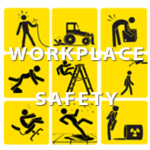
Every workplace can take simple steps to reduce injury risks and improve safety. While offices may seem less hazardous than industries like construction or aged care, risks exist everywhere. Common causes of injury include slips, trips, poor manual handling, incorrect workstation setup, lack of breaks, and repetitive strain. Left unaddressed, these issues impact productivity, morale, and absenteeism. Employers can follow 8 practical steps to minimise risks and create safer, healthier workplaces.
Following the Workers Compensation Commission decision in Sabanayagam v St George Bank Ltd [2016], any cessation of weekly compensation payments must now be issued via a Work Capacity Decision (WCD). As WCDs require a legislated 3?month process, businesses face added wage costs that flow into workers' compensation premiums for the next three renewals. Timely, effective claim management, including specialist input, has become increasingly critical
Over 8 million Australians work daily in manual or sedentary roles, where onsite physiotherapy helps prevent injuries and improve wellbeing. With one-third of life spent at work, businesses benefit from workplace physio through reduced costs, fewer compensation claims, and healthier employees.
At ABILITY GROUP, we are proud to showcase the outstanding results of our specialist workplace rehabilitation provider, Health Ability, which has achieved a 100% Return-to-Work (RTW) rate. This milestone demonstrates the effectiveness of timely, tailored rehabilitation services in helping injured employees recover and reintegrate into the workplace