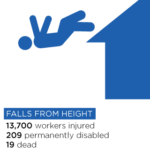
Recently we have been involved with an increased number of fall related incidents. The injuries sustained, & the resulting workers compensation claims, can often be complex & costly. In addition to claim related costs, employers also face material fines for unsafe work sites.
After providing advice and support recently to various clients with workers having sustained injuries (5 metre + 10 metre falls to concrete and an employee falling down fire escape), we wanted to provide greater insights into fall related incidents.
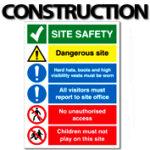
Construction is a high?risk industry, with workers routinely facing hazards like heights, heavy machinery, and unstable ground. As the workforce has grown 33% in the past 11 years, strong safety practices are more crucial than ever. Even well?trained workers encounter constant risks. To recognise Australia’s National Safe Work Month, here are five steps to help improve construction site safety.
Occupational violence involves a worker being physically attacked at work or during work?related duties, or being threatened in a way that makes them reasonably fear an attack. As the population ages, care providers face growing challenges supporting staff who deal with aggressive behaviours linked to some forms of dementia and disability. Care workers now account for over 9% of NSW workers' compensation claims, with more than 12,000 physical and psychological claims lodged in the past three years. Addressing bullying and violence in these settings is complex, but SafeWork Australia offers guidance to help organisations manage the risks.
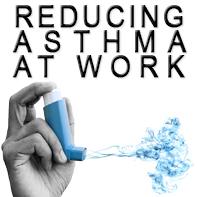
Occupational asthma is a work-related condition caused by exposure to harmful agents in the workplace. Employers are legally required to inform staff of hazards and ensure a safe environment. Studies show over 40% of workers encounter asthmagens, with farming, metal/wood, and food preparation industries most at risk. Businesses can reduce exposure through preventive measures and safer practices.
Irrespective of the size of your business or industry you work in, workplace risks exist. Businesses that adopt a proactive risk management approach will typically minimise workplace risks, injuries and claims. Regrettably accidents do occur and in tragic situations the death of a worker has impacts beyond the obvious. Fatalities in the workplace not only affect the immediate family, they also cause distress to colleagues, employers and friends. No worker nor their family should face the risk of not coming home from work. We promote it is essential all Australian workplaces take every precaution to ensure their employees return home safe at the end of every day. So what are Australia’s most dangerous industries and the common cause of fatalities?
The State Insurance Regulatory Authority (SIRA) is the NSW government organisation responsible for regulating and administering the NSW workers' compensation system. On 10 July 2016, SIRA undertook several information sessions to introduce the SIRA “Guidelines for Claiming Worker’s Compensation”. These new SIRA guidelines will come into effect from 1 August 2016 and include such items as removing the need for the injured worker’s DOB, changes to claim decisions, removal of pre-approval for certain items and more.