
by ABILITY GROUP | Nov 1, 2018 | Premium
Overdue premium adjustments are a critical issue for businesses, as they directly affect compliance, cash flow, and client trust. Employers and policyholders must understand how insurance premium adjustments work, why delays occur, and how to manage them effectively to avoid financial and legal risks.
What Are Premium Adjustments?
- Insurance premium adjustments occur when insurers recalculate premiums based on updated risk assessments, claim history, or market conditions.
- Adjustments may be triggered by escalation clauses, changes in coverage, or discrepancies in payroll and revenue reporting.
Why Premium Adjustments Become Overdue
- Late reporting of payroll, revenue, or claims data.
- Administrative delays in processing adjustments by insurers.
- Disputes between insurers and policyholders over coverage or risk classification.
- Cash flow challenges leading businesses to postpone payment.
Risks of Overdue Premium Adjustments
- Compliance issues: Regulatory bodies may penalize businesses for late payments.
- Coverage gaps: Policies may lapse or be suspended if premiums remain unpaid.
- Financial strain: Overdue adjustments can accumulate, creating sudden large liabilities.
- Reputation damage: Clients and partners may lose trust in a business that fails to manage obligations.
How Employers Can Manage Premium Adjustments
- Regular audits: Ensure payroll and revenue data are accurate and submitted on time.
- Clear communication: Maintain open dialogue with insurers to resolve disputes quickly.
- Budget planning: Allocate funds for potential adjustments to avoid cash flow shocks.
- Professional support: Engage experts like ABILITY GROUP to manage insurance compliance and negotiate favorable terms.
Conclusion
Overdue premium adjustments are more than just an administrative inconvenience, they represent a serious financial and compliance risk. By proactively managing insurance data, maintaining communication with insurers, and seeking expert guidance, businesses can protect themselves from costly consequences.
Please download the Declaration of Actual wages form from icare here.
For assistance contact ABILITY GROUP.

by ABILITY GROUP | Oct 15, 2018 | Claims, Injured Worker, Injury Management, Workers Compensation
SIRA (State Insurance Regulatory Authority) has intensified efforts to identify employer non-compliance in New South Wales, targeting businesses that fail to lodge mandatory workers’ compensation policies. Through advanced data analytics and a structured notification program, hundreds of employers have already been flagged, with penalties and premium recoveries reaching millions.
(more…)
by ABILITY GROUP | Sep 11, 2018 | Claims, Workers Compensation
Recent amendments to the Coal Industry Act 2001 (NSW) have reshaped workers' compensation obligations for businesses operating in or around coal mining. These changes aim to improve fairness, ensure consistent coverage, and close long?standing gaps affecting contractors, labor?hire workers, and ancillary service providers. For employers, understanding these updates is essential to maintaining compliance and protecting their workforce.
(more…)
by ABILITY GROUP | Aug 17, 2018 | Workers Compensation
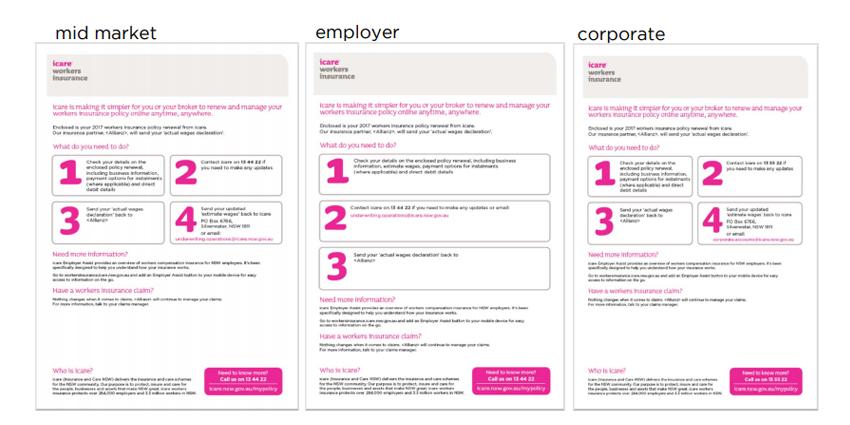
The Premium Renewal Update marks a significant step forward for ABILITY GROUP, designed to enhance customer experience, streamline subscription management, and deliver greater value to members. This update ensures that every renewal process is not only seamless but also optimised for long-term satisfaction
(more…)
by ABILITY GROUP | May 8, 2018 | Workers Compensation
The NSW Government is seeking to simplify Dispute resolution across CTP & Workers Compensation. The NSW Standing Committee on Law & Justice has commenced a review to assess the feasibility of a consolidated personal injury tribunal. .
(more…)

by Marc Ring | Mar 15, 2018 | Claim costs, Claim management, Uncategorized, Workers Compensation
ABILITY GROUP is proud to announce the March update to our New Claim Model, a significant enhancement designed to streamline processes, improve transparency, and deliver greater value to our clients. This update reflects our ongoing commitment to innovation and efficiency, ensuring that businesses can manage claims with confidence while maintaining compliance with industry standards.
(more…)
