by ABILITY GROUP | Oct 20, 2026 | Claims, Injury Prevention, Mental Health, Return To Work, Workers Compensation
The Queensland Government has announced a significant package of proposed Queensland WorkCover reforms aimed at strengthening the state's workers' compensation scheme, addressing the growing cost of psychological injury claims, and improving certainty for employers. The reforms also include industrial relations changes designed to better align Queensland's framework with national workplace laws.
Understanding the reforms now will help employers prepare for potential legislative changes and ensure their systems, policies, and leadership practices remain fit for purpose.
To help employers understand the implications of these changes, this article explains the key elements of the Queensland WorkCover reforms, why they are being introduced, and what employers should consider doing to minimise risk and support positive outcomes for both workers and their organisations.
(more…)

by ABILITY GROUP | Oct 5, 2026 | Managing Psychosocial Hazards, Work Health & Safety, Workplace safety
Artificial Intelligence (AI) is rapidly transforming the way Australian businesses operate. From automating routine administrative tasks to assisting with data analysis and decision-making, AI offers significant opportunities to improve efficiency and productivity. Alongside these benefits, however, come important workplace health and safety (WHS) considerations that employers cannot afford to overlook.
While many organisations view AI as a technology initiative, its impact extends far beyond IT systems. AI can fundamentally change how work is performed, how employees interact with their roles and how workplace risks emerge. As AI adoption continues to accelerate, employers must ensure that implementation strategies consider worker health, wellbeing and safety alongside operational objectives.
(more…)

by ABILITY GROUP | Sep 21, 2026 | Injured Worker, Injury Management, Work Health & Safety, Workplace safety
A recent prosecution by SafeWork NSW highlights the significant consequences businesses can face when working-at-heights risks are not adequately managed. A building renovator has been convicted and fined $90,000 after two workers were injured when a garage roof collapsed during demolition works.
While the financial penalty is substantial, the case serves as an important reminder that workplace health and safety obligations extend far beyond compliance. Employers must proactively identify hazards, implement appropriate controls, and ensure workers are protected from foreseeable risks.
(more…)
by ABILITY GROUP | Sep 14, 2026 | Work Health & Safety, Workplace safety
Many Australian employers focus on managing visible workplace hazards. Yet, airborne contaminants remain among the most significant and often overlooked risks across industries, including construction, manufacturing, transport, healthcare, laboratories, mining, and warehousing.
To strengthen workplace health protections, Safe Work Australia is replacing the current Workplace Exposure Standards (WES) framework with a new Workplace Exposure Limits (WEL) framework for airborne contaminants.
While businesses must continue complying with existing WES requirements until 1 December 2026, organisations should start preparing now. This transition presents an important opportunity to review workplace health risks, strengthen control measures, and ensure compliance well before the new limits take effect.
(more…)
by ABILITY GROUP | Aug 17, 2026 | Health & Wellbeing, Injury Prevention, Work Health & Safety, Workplace safety
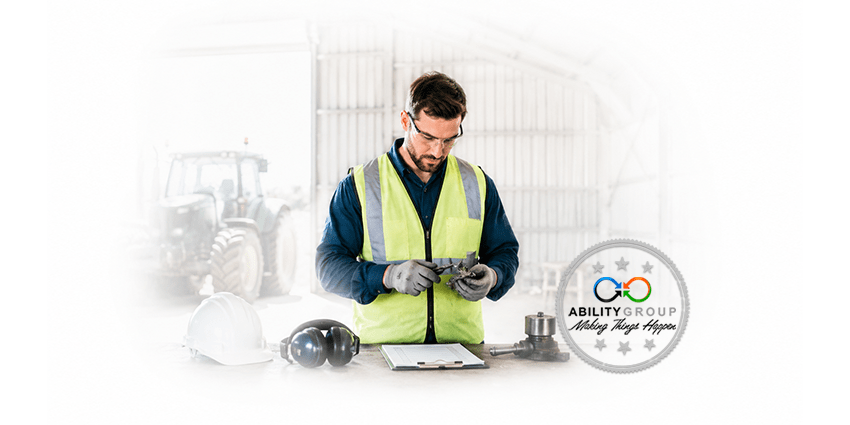
Agriculture remains one of Australia’s most hazardous industries, and the latest farm safety data released by WFI Insurance highlights lessons that extend far beyond farming into every workplace. For business owners and leaders, understanding the causes of workplace incidents is critical, not only to prevent injuries but also to reduce workers' compensation costs and create safer, more productive environments.
(more…)

by ABILITY GROUP | Aug 3, 2026 | Health & Wellbeing, Managing Psychosocial Hazards, Mental Health, Return To Work
Australian employers are facing mounting pressure from rising workers compensation costs, with psychological injury claims emerging as one of the most significant drivers of premium increases.
According to the Australian Financial Review, claim costs are escalating faster than regulators can respond, placing strain on compensation schemes and insurers alike. For business owners, HR leaders and operational managers, this trend is more than an insurance issue; it underscores the urgent need for stronger workplace mental health strategies, effective injury management, and proactive return to work practices.
(more…)
