
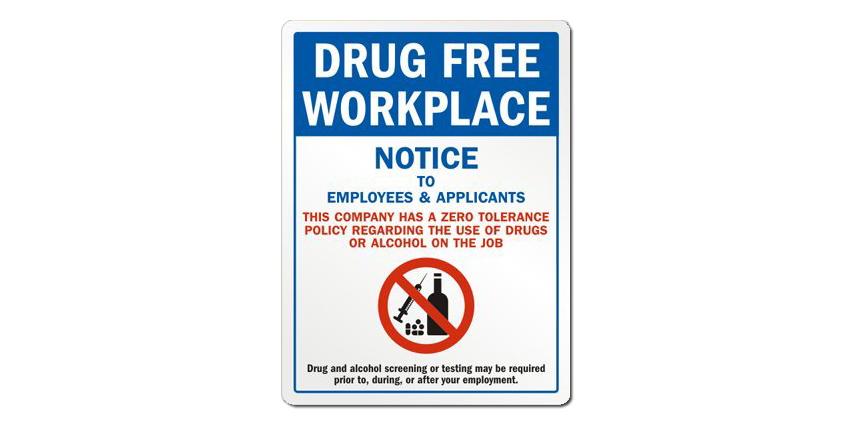
The consumption of alcohol & illicit drugs in the workplace is increasingly becoming an issue for businesses across industries. Implementing a formal drug & alcohol policy as well embedding associated procedures, can assist in ensuring a safer workplace.
Safe workplace: Drugs & Alcohol
The consumption of alcohol and illicit drugs in the workplace has become an increasingly significant issue for employers with substance abuse occurring regularly in many workplaces.
- Alcohol costs Australian workplaces approximately $6 billion per year in lost productivity
- Nearly 11.5 millions sick days as a result of alcohol and drug consumption
- 1 in 10 workers reported drinking at work, nearly 1% reported drug use at work, 6% and 2% reported attending work under the influence.
There are many negative impacts of substance use in the workplace, with the most important being the risk to Workplace Safety, especially in high risk environments such as construction sites.
Workplace impacts include reduced cognition, productivity, absenteeism, health issues, erratic behaviour, property damage, and higher injury and compensation costs.
For effective prevention and detection, it is important to understand the many factors that can contribute to the use of drugs and alcohol in the Workplace, these can include;
- Personal issues such as relationship strains, domestic or family violence
- Bullying or harassment
- Unfair working hours
- Conflict with management or other workers
- Unrealistic performance targets
- Health concerns or financial problems
- History of substance abuse
- Gambling and many more
Employers should stay attuned to workers’ behavior, fostering a safe culture to detect and prevent issues.
Workplaces should have drug and alcohol policies tailored to their environment with employee input. For help creating policies or testing, contact our WHS specialists.
For further information, please refer to:
Source: Alchohol & Drug Foundation
Title: Alcohol and other drugs in the Workplace
Read time: 10 mins