According to NSW Government’s Get Healthy At Work, Australians spend one third of their lives at work, so being healthy at work can have some big benefits. Healthier employees are alert, fitter and more resilient against illness. A successful workplace health program improves productivity, attracts new employees, enhances business image and reduces absenteeism.
Workers’ compensation claims can quickly become complex when injuries are severe, recovery is prolonged, or disputes arise. These difficult claims often lead to escalating costs, extended timeframes, and significant stress for both employers and employees. ABILITY GROUP specialises in Difficult Claim Intervention, helping businesses and brokers manage these challenges effectively.
An accident at the Sydney Royal Easter Show left several employees badly injured while playing on the super-slide at 12:20 a.m., after the show had closed. Given the severity of the injuries, WorkCover NSW is investigating.
This situation reminds us of the frequent questions from clients and partners: What exactly does workers' compensation cover? Unfortunately for business owners, workers' compensation operates as a no-fault system. Because each scheme—state-based, specialised licenses, or national, differs, there is no simple answer. What is clear, however, is that businesses must remain vigilant and cautious.
The workers' compensation system, processes and insurers often hold the employer liable for the full claims costs.
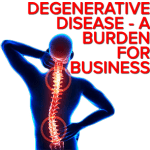
At ABILITY GROUP, we advocate for clients and partners to secure the best possible outcomes for their businesses and injured workers. From our experience, businesses often face wrongful liability for actions and decisions that an individual made years before joining the current company. If businesses fail to adopt proactive or preventative measures, they struggle to decline claims related to degenerative diseases.
There is growing evidence sitting or a sedentary lifestyle can result in chronic and even deadly health conditions. Many assume it is mostly office workers who are spending increasing time sitting yet there are many jobs that are also at risk. Majority of time sitting is work related yet once people leave work they also spend significant time sitting watching TV or the likes. What does the research say and what can be done?