ABILITY GROUP recently achieved a landmark outcome for a client, saving them $400,000 in premium costs through a meticulous claim review and arbitration process.
When engaged, ABILITY GROUP immediately escalated the claim to senior insurer levels, recognising its potential impact. Ahead of arbitration, the team pressed for additional evidence and secured a delay in settlement. This proactive approach allowed time to develop a clear, achievable strategy in collaboration with solicitors and the client.
The Christmas - New Year period has historically proven to be a busy period for workers compensation. Due to a variety of reasons, we see a higher frequency of claims during this period. The worker had been terminated two weeks prior to the claim being lodged.
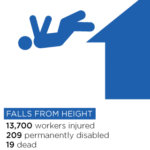
Recently we have been involved with an increased number of fall related incidents. The injuries sustained, & the resulting workers compensation claims, can often be complex & costly. In addition to claim related costs, employers also face material fines for unsafe work sites.
After providing advice and support recently to various clients with workers having sustained injuries (5 metre + 10 metre falls to concrete and an employee falling down fire escape), we wanted to provide greater insights into fall related incidents.
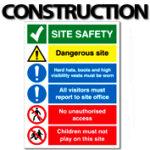
Construction is a high?risk industry, with workers routinely facing hazards like heights, heavy machinery, and unstable ground. As the workforce has grown 33% in the past 11 years, strong safety practices are more crucial than ever. Even well?trained workers encounter constant risks. To recognise Australia’s National Safe Work Month, here are five steps to help improve construction site safety.
In Australia, employers must prevent discrimination, harassment and bullying, ensuring all workers and job applicants are treated fairly. WHS laws require safe workplace behaviours, and employers must minimise or eliminate health and safety risks caused by bullying. Safe Work Australia has updated its bullying guidance to help managers and workers prevent and manage this issue.
Occupational violence involves a worker being physically attacked at work or during work?related duties, or being threatened in a way that makes them reasonably fear an attack. As the population ages, care providers face growing challenges supporting staff who deal with aggressive behaviours linked to some forms of dementia and disability. Care workers now account for over 9% of NSW workers' compensation claims, with more than 12,000 physical and psychological claims lodged in the past three years. Addressing bullying and violence in these settings is complex, but SafeWork Australia offers guidance to help organisations manage the risks.