by ABILITY GROUP | Oct 20, 2026 | Claims, Injury Prevention, Mental Health, Return To Work, Workers Compensation
The Queensland Government has announced a significant package of proposed Queensland WorkCover reforms aimed at strengthening the state's workers' compensation scheme, addressing the growing cost of psychological injury claims, and improving certainty for employers. The reforms also include industrial relations changes designed to better align Queensland's framework with national workplace laws.
Understanding the reforms now will help employers prepare for potential legislative changes and ensure their systems, policies, and leadership practices remain fit for purpose.
To help employers understand the implications of these changes, this article explains the key elements of the Queensland WorkCover reforms, why they are being introduced, and what employers should consider doing to minimise risk and support positive outcomes for both workers and their organisations.
(more…)

by ABILITY GROUP | Aug 3, 2026 | Health & Wellbeing, Managing Psychosocial Hazards, Mental Health, Return To Work
Australian employers are facing mounting pressure from rising workers compensation costs, with psychological injury claims emerging as one of the most significant drivers of premium increases.
According to the Australian Financial Review, claim costs are escalating faster than regulators can respond, placing strain on compensation schemes and insurers alike. For business owners, HR leaders and operational managers, this trend is more than an insurance issue; it underscores the urgent need for stronger workplace mental health strategies, effective injury management, and proactive return to work practices.
(more…)
by ABILITY GROUP | May 4, 2026 | Health & Wellbeing, Mental Health, Work Health & Safety
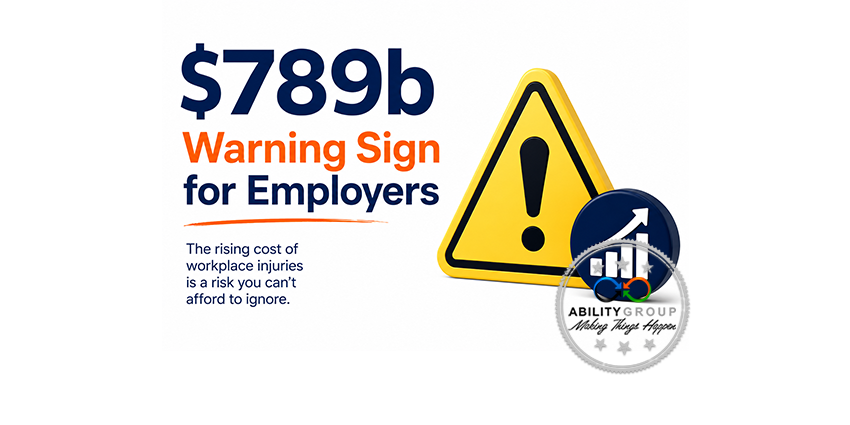
A recent news.com.au report has sounded a clear warning: Australia’s $789b income support system is under increasing strain, driven largely by a surge in mental health-related claims across workers’ compensation, disability, and welfare schemes.
While the headline focuses on government finances, employers should not mistake this as a public-sector problem. Psychological injury claims are now one of the fastest growing, longest lasting, and most expensive risks facing Australian workplaces, and businesses are increasingly bearing the cost through higher premiums, stricter eligibility thresholds, and regulatory scrutiny.
(more…)
by ABILITY GROUP | Oct 6, 2025 | Mental Health, Work Health & Safety, Workers Compensation
In today’s fast-evolving business landscape, staying informed isn’t just beneficial; it is essential. At ABILITY GROUP, we believe that understanding industry trends is the foundation for building resilient, forward-thinking organisations. Our latest insights reveal the key challenges and opportunities reshaping workplaces in 2025 and beyond.
(more…)
by ABILITY GROUP | Aug 18, 2025 | Managing Psychosocial Hazards, Mental Health, Work Health & Safety
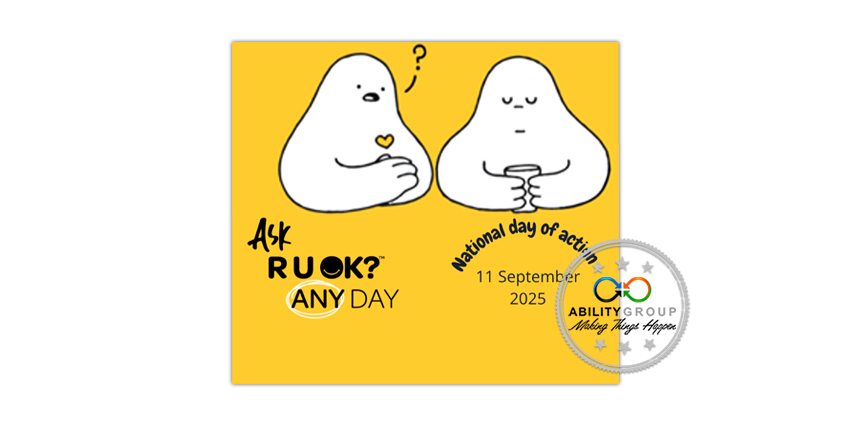
R U OK? Day is a National Day of Action dedicated to reminding Australians to check in with those around them and spark meaningful conversations about mental health and wellbeing. This year, it is held on Thursday 11th of September, and it serves as a powerful reminder that a simple question can make a life-changing difference.
(more…)

by Marc Ring | Jun 30, 2025 | Breaking News, Bullying, Health & Wellbeing, Mental Health, Work Health & Safety
In a landmark move to strengthen workplace protections, the Minns Labor Government has passed sweeping reforms that will impact over four million workers across New South Wales. These changes, enacted through the Industrial Relations and Other Legislation Amendment (Workplace Protections) Act 2025, mark a significant shift toward safer, fairer, and more inclusive workplaces.
(more…)
