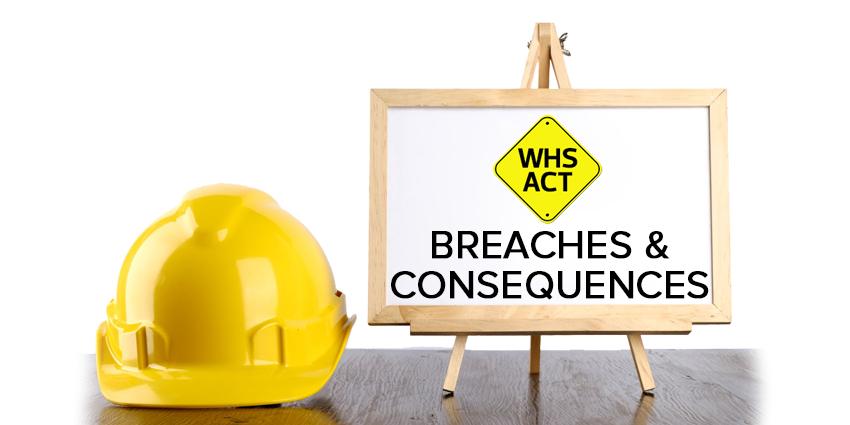
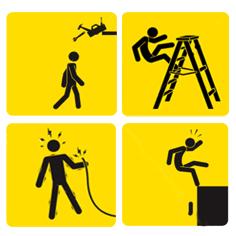
Consequences of breaches and disregard for the safety of workers result in various fines and mandatory measures to correct misconduct. Failing to comply with WHS duties are reflected in 3 different degrees of severity under the WHS Act, depending on their circumstances, outcomes and whether recklessness is shown by the employer in their duty to ensure appropriate WHS for their workers.
Sexual discrimination & harassment is described by the Anti-Discrimination Board of NSW as when someone is “treated unfairly or harassed”. On the back of the recent Me Too media coverage, we look at the impacts in the workplace & resulting claims.
Working at heights and near utilities presents unique challenges that require strict safety measures, specialised training, and compliance with industry standards. At ABILITY GROUP, we prioritise workplace safety by ensuring that every project involving elevated work or proximity to utilities is carried out with precision, care, and adherence to regulations.
National Safe Work Month is observed every October and encourages employers, workers, and communities to commit to workplace health and safety. It is a time to reflect on the importance of preventing injuries, illnesses, and fatalities, while reinforcing a culture of safety across Australia.
In 2023, 200 workers lost their lives due to workplace incidents, and there were 139,000 serious workers’ compensation claims. These figures underscore why safety must remain a top priority.
A Victorian business has been fined $1.130 million for failing to ensure employees wore hi-vis PPE. Tragically, whilst working late at night in dark conditions, a worker was struck & killed by a forklift in 2015.
A Sydney concrete pumping company has been fined $375,000 after a tragic workplace incident that resulted in the death of a worker. The NSW District Court handed down the penalty following a fatal accident involving an unsecured hose, which caused fatal head injuries to the employee. The company director was also fined $10,000 and ordered to complete due diligence and risk management training through a Registered Training Organisation.