
Beat The Heat
Working in heat is a hazard that can cause severe health problems for many workers. Regardless of work setting, preparing for these risks is vital with summer approaching and rising temperatures.
(more…)
Working in heat is a hazard that can cause severe health problems for many workers. Regardless of work setting, preparing for these risks is vital with summer approaching and rising temperatures.
(more…)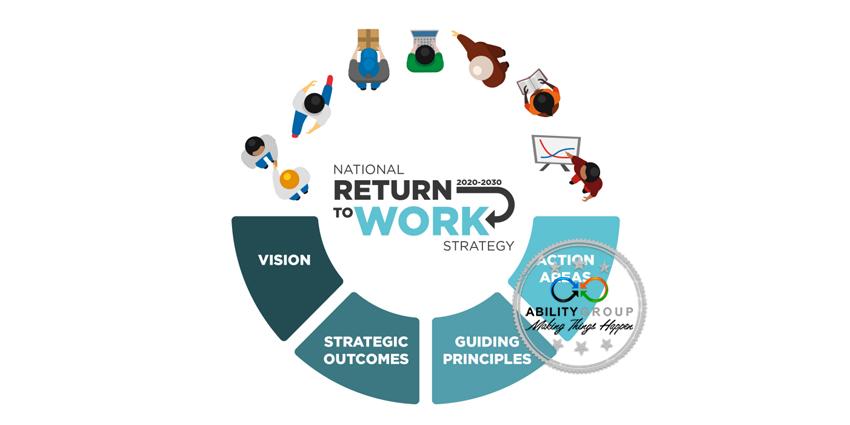
To support recovery, the National Return to Work Strategy 2020–2030 has been implemented by Safe Work Australia members. Embedding effective and practical RTW processes is critical within all-sized businesses.
(more…)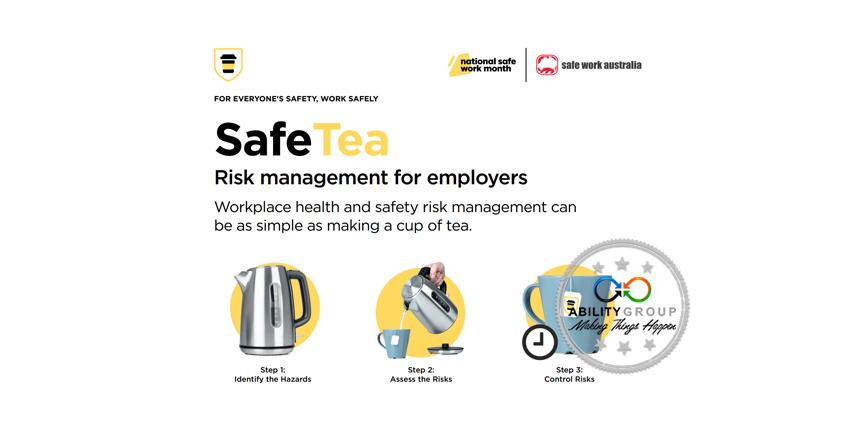
October is National Safe Work month so why not jump on board and host a 'SafeTea' chat this October. Each year Safe Work Australia runs a national campaign to promote & raise awareness around WHS in the workplace, this year they are calling it the 'SafeTea' chat.
SafeTea is about encouraging workplaces to arrange a time for this month to have a chat with their staff around the importance of WHS to make a safe and healthy workplace while enjoying a cuppa.
So, this October we encourage you to gather your team and host a SafeTea chat to discuss the importance of health & safety at work and aim to reduce the number of work-related injuries, illnesses and fatalities. No job should be unsafe and no injury or illness related to work is acceptable, providing a safe & healthy workspace benefits everyone.
Take time to talk SafeTea, start safety conversations that build awareness, reduce risks, and support workplace wellbeing. Learn more about the Return to Work Strategy. Contact us
Source: Safe Work Australia
Title: Host a SafeTea chat this National Safe Work Month
Read Time: 5 minutes

WorkSafe Victoria and SafeWork NSW have launched a cross-border blitz targeting falls from heights and silica exposure. In NSW construction sites, falls from heights have been the number one cause of traumatic fatalities. In August, proactive inspections in VIC and NSW will educate workers on WHS duties and ensure consistent safety standards.
(more…)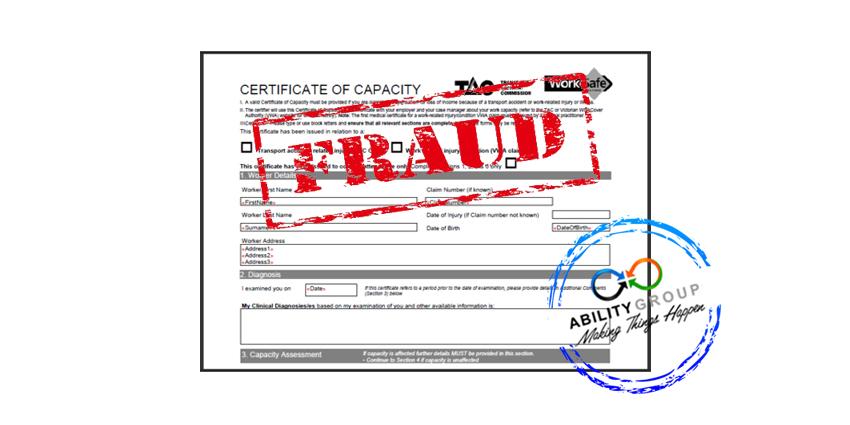
Fraud within compensation schemes undermines trust, increases costs, and places unnecessary strain on employers, insurers, and genuine claimants. Recent enforcement actions highlight a zero tolerance approach, with a fraudster ordered to repay compensation. This case reinforces the importance of compliance, accountability, and vigilance in workplace law.
(more…)