In 2015/16, many employers faced sharp increases in premiums due to prior year adjustments and a new renewal formula. For businesses with tariff premiums above $30,000, the impact was substantial, creating financial strain at the most critical time of year.
On the 4th of December 2015, icare (previously known as WorkCover NSW) announced further changes as a component of the NSW government ongoing NSW workers compensation reforms.
The latest reforms include benefit changes to injured employees in need of the highest benefits being those with a Whole Person Impairment (WPI) of >30%. In addition to this there were several other as well as additional changes.
Mental health issues are becoming increasingly common in Australian workplaces and from a workers compensation perspective they are 7-8 times more expensive than physical injury related claims. A recent PWC study found mental health issues cost Australian businesses $10.9B a year in lost productivity. The study also suggests poor mental health is likely to impact 1 in 5 employees. So what are the common mental health disorders?
Despite the NSW scheme changes taking effect back on 30 June 2015, the majority of medium to large NSW businesses are yet to receive their 2015/16 premium renewals. With iCare now authorising the NSW insurers to start processing 2015/16 renewal notices the challenge they now face is there is a 3-4 month backlog. Given the events over the last 4 months, we have covered this inside out. To help make these changes easier to understand, ABILITY GROUP provide a quick reference list below for our clients and partners:
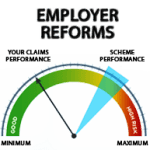
Finance Minister Dominic Perrottet and the NSW Government have led reforms to make business easier and cheaper, with workers’ compensation a key focus. These reforms reward strong performers and penalise poor ones. While many expected lower premiums, insurers advise that about 75% of medium to large NSW businesses will face higher 2015/16 renewal costs.
At ABILITY GROUP, we understand that effective claim management is critical to controlling workers' compensation costs and supporting injured employees back to health. Our Claim RTW Success story highlights how early intervention and specialist support can transform outcomes for both businesses and workers.