Mental health issues are the 3rd most frequent health condition after cancer & health disease. This means supervisors are likely to be managing workers suffering from a mental illness. We have identified common mental health hazards & workplace risk mitigation strategies.
An increasing concern for many businesses are the risks of mental health related incidents, injuries and resulting workers compensation claims.
Approximately 25% of Australia's workforce are employed in jobs that may require working outdoors for at least some of the time. Recent bushfires, smoke and heavy rain, prompted us to review employers responsibilities for working in bad weather.
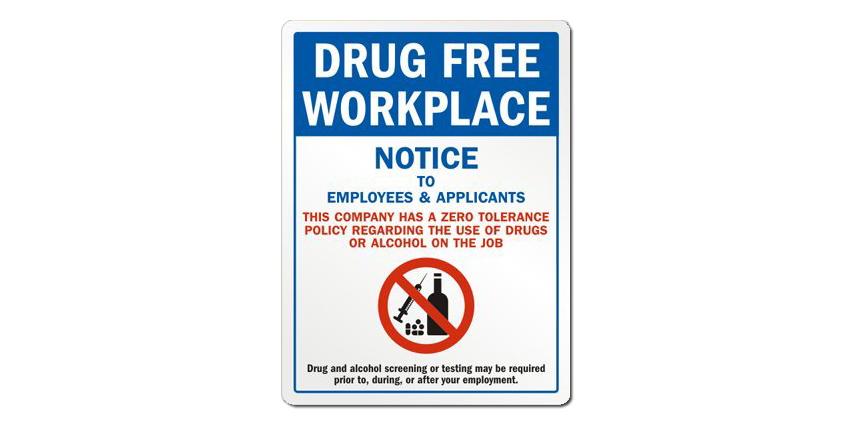
The consumption of alcohol & illicit drugs in the workplace is increasingly becoming an issue for businesses across industries. Implementing a formal drug & alcohol policy as well embedding associated procedures, can assist in ensuring a safer workplace.
October marks National Safe Work Month across Australia, a dedicated time for employers, employees, and communities to recommit to creating safe and healthy workplaces. This year’s theme, “Safety: Every Job, Every Day”, reminds us that safety is not a one-off initiative but a daily responsibility that protects lives, strengthens businesses, and builds trust
No worker should face the risk of not coming home from work. We promote it is essential all Australian workplaces take every precaution to ensure their employees return home safe at the end of every day. So what are Australia’s most dangerous industries?
Workers’ compensation claims can become complex when pre-existing conditions are involved. A pre-existing condition refers to any illness, injury, or health issue that existed before a workplace incident. These may include chronic illnesses, old sports injuries, degenerative diseases, or mental health conditions.
Understanding how these conditions impact claims is essential for both employers and employees.