With a desire to capitalise on his experience from a variety of roles in insurance (in both NSW & Vic), commercial, government and transport, Damien joins as our National Manager.
Prior to Ability Group I came from EML spending time in both TMF and Workers Insurance. I have also spent time with Gallagher Bassett and initially started with CGU in Victoria many years ago. Outside of workers comp I have spent time as a mortgage broker and worked in operations and account management within the transport industry.
ProHealth Physio is dedicated to helping people move better, feel stronger, and live without pain. With a focus on personalised physiotherapy and evidence?based treatment, the clinic supports clients of all ages, from athletes and active professionals to individuals recovering from injury or managing chronic conditions.
In August 2016, our Significant NSW icare Changes article outlined the latest NSW workers compensation changes taking effect in 2017. icare (previously WorkCover NSW) will directly administer policy and billing for the NSW workers compensation scheme. Details since the original announcement have been sparse however we understand NSW businesses will be able to use either an online portal, icare Customer Support Centre or Service NSW to provide wage declarations, make premium related payments and related matters. Many businesses are concerned with the service they will receive following the change, however we see these changes as exciting. At ABILITY GROUP will continue to actively support our clients and brokers with personalise and responsive service.
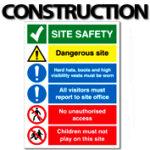
Construction is a high?risk industry, with workers routinely facing hazards like heights, heavy machinery, and unstable ground. As the workforce has grown 33% in the past 11 years, strong safety practices are more crucial than ever. Even well?trained workers encounter constant risks. To recognise Australia’s National Safe Work Month, here are five steps to help improve construction site safety.
In Australia, employers must prevent discrimination, harassment and bullying, ensuring all workers and job applicants are treated fairly. WHS laws require safe workplace behaviours, and employers must minimise or eliminate health and safety risks caused by bullying. Safe Work Australia has updated its bullying guidance to help managers and workers prevent and manage this issue.
Occupational violence involves a worker being physically attacked at work or during work?related duties, or being threatened in a way that makes them reasonably fear an attack. As the population ages, care providers face growing challenges supporting staff who deal with aggressive behaviours linked to some forms of dementia and disability. Care workers now account for over 9% of NSW workers' compensation claims, with more than 12,000 physical and psychological claims lodged in the past three years. Addressing bullying and violence in these settings is complex, but SafeWork Australia offers guidance to help organisations manage the risks.