by ABILITY GROUP | Mar 2, 2026 | Claims, Injured Worker, Investigations, Our team, Work Health & Safety
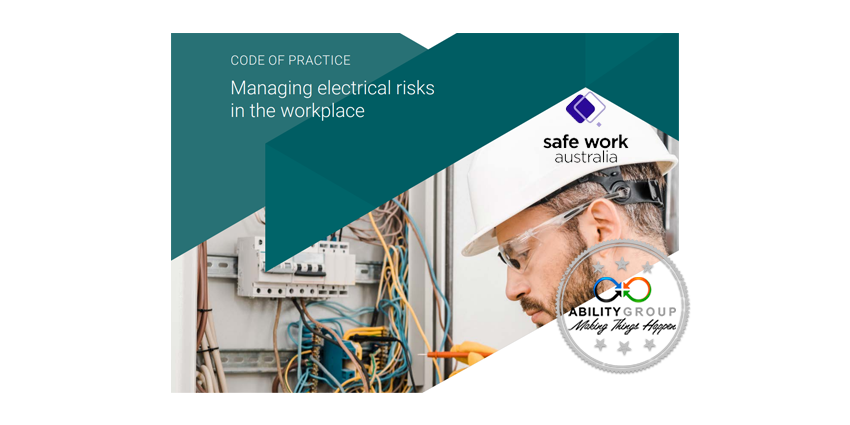
Electrical safety is a critical part of workplace compliance under the NSW Work Health and Safety (WHS) laws. One of the most common questions businesses and individuals ask is whether office and home electrical items need to be “test & tag” every year. With the 2026 WHS refresher, it’s important to clarify the rules: not all equipment requires annual testing, and the frequency depends on the environment in which the equipment is used.
For employers, understanding these requirements is essential to avoid penalties and ensure a safe workplace. For households, the rules are different, as WHS obligations generally apply to workplaces rather than private homes. This article explains the latest NSW guidelines, the difference between office, high-risk, and home environments, and what ABILITY GROUP recommends for compliance and safety.
What Is “Test & Tag”?
- Definition: Inspection and testing of electrical equipment by a competent person, followed by tagging to confirm compliance.
- Purpose: Prevent electrical faults, reduce risk of shock, and ensure compliance with AS/NZS 3760:2022 standards
NSW WHS Requirements (2026 Update)
- Workplaces (PCBU obligations): Employers must ensure electrical equipment is regularly inspected and tested if it is:
- Plug in equipment, and
- Used in environments where damage is likely (e.g., construction sites, workshops, outdoor areas).
- Office Environments:
- Low-risk settings (e.g., standard offices) do not require annual testing.
- Typical interval: every 5 years for computers, printers, and other office equipment.
- High Risk Environments:
- Construction sites: every 3 months.
- Factories, workshops, kitchens: every 12 months.
- Home Use:
- WHS laws apply to workplaces, not private homes.
- Homeowners may voluntarily test appliances for safety, but it is not legally required
Test & Tag Frequency Overview
- Constructions sites – Every 3 months
- Workshops/factories – Every 12 months
- Office settings – Every 5 years
- Homes – Not required
Why Compliance Matters
- Safety: Electrical faults cause ~30 serious incidents annually in NSW workplaces.
- Legal: Non-compliance can result in fines under NSW WHS laws.
- Reputation: Demonstrates commitment to employee safety and risk management
ABILITY GROUP Recommendation
- Audit your workplace equipment to determine risk level.
- Engage a licensed test & tag provider to ensure compliance with AS/NZS 3760:2022.
- Document all inspections for WHS records and insurance purposes.
- Educate staff on safe use of electrical equipment and reporting damaged items.
Key Takeaway
Office equipment in NSW does not need annual test & tag, but high risk workplaces do. Homes are exempt. For businesses, compliance is about tailoring inspection frequency to the environment, not applying a blanket “every year” rule.
To know more and better assist you contact us
Source: Safework NSW
Title: Electrical inspection and testing | SafeWork NSW
Read time: 5 mins
by ABILITY GROUP | Feb 23, 2026 | Breaking News, Claims, Injury Management, Premium, Rehabilitation, Return To Work, Work Health & Safety, Workers Compensation
The latest icare annual report reveals a chilling reality: New South Wales’ workers’ compensation scheme is facing a $3.2B underwriting loss, representing a significant deterioration from the prior year’s $2.81B loss. Driving this result is a 20% surge in psychological injury claims, which have doubled since 2022. These aren’t minor issues; they’re severe, long-duration cases rooted in bullying, harassment, and workplace stress. This downward spiral isn’t just a financial headline; it highlights how ill-equipped many organisations are to proactively manage complex claims, particularly those involving psychological issues.
(more…)
by ABILITY GROUP | Feb 6, 2026 | Breaking News, Claims, Consulting, Health & Wellbeing, Injured Worker, Reforms, Workers Compensation
NSW has entered a defining new era in workers’ compensation with the passage of the Workers Compensation Reform and Modernisation legislation, ushering in the most significant changes to psychological injury claims in more than a decade. As psychological injuries continue to rise and place mounting pressure on the scheme, the government have acted to create clearer definitions, streamline assessments, and improve the pathway to recovery for affected workers.
(more…)
by ABILITY GROUP | Feb 4, 2026 | Manual Handling, Work Health & Safety, Workplace safety
The Explanatory Memorandum for the Model WHS Legislation Amendment (Incident Notification) 2025 outlines expanded incident notification laws covering psychosocial hazards, workplace violence, sexual assault, and work-related suicide or attempts. It also clarifies employer obligations, timeframes, and the scope of notifiable incidents
Background
- The Model WHS Act was amended in December 2025 by the Parliamentary Counsel’s Committee
- The Explanatory Memorandum serves as a guide for regulators, employers, and workers to understand the intent and application of the amendments
Key Changes in the Amendment
1. Expanded Definition of Notifiable Incidents
- Psychosocial hazards included: workplace violence, sexual assault, serious psychological harm, suicide, and attempted suicide
- Extended worker absences
2. Clarification of Section 35
- The requirement for a causal link between the incident and the workplace has been moved into the core definition of a notifiable incident
- This ensures consistency and reduces ambiguity for Persons Conducting a Business or Undertaking (PCBUs)
3. Notification Duties
- PCBUs must notify regulators immediately after becoming aware of a notifiable incident
- Site preservation
- A new duty requires PCBUs to notify other persons with corresponding duties, ensuring broader accountability
Implications for Employers and PCBUs
- Compliance Burden – employers must update incident reporting frameworks to include psychosocial hazards.
- Training Needs – staff must be trained to recognise and report incidents beyond physical injuries.
- Legal Risk – failure to comply with expanded notification duties may result in penalties and reputational damage.
- Worker Protection
Practical Guidance for Businesses
- Review WHS Policies – ensure incident reporting procedures align with the 2025 amendments
- Update Risk Registers – include psychosocial hazards alongside physical risks
- Engage with Regulators – establish clear communication channels for timely notification
- Educate Staff – provide awareness sessions on recognising psychosocial incidents
Need Help?
The Explanatory Memorandum – Model WHS Legislation Amendment (Incident Notification) 2025 represents a significant evolution in workplace safety law. For businesses, compliance requires proactive policy updates, staff training, and a stronger focus on psychosocial risk management.
To know more, please contact us
(more…)
by ABILITY GROUP | Nov 26, 2025 | Injury Management, Premium, Work Health & Safety, Workers Compensation, Workplace safety
With holiday celebrations around the corner, it’s smart for businesses to take proactive steps to avoid turning a festive gathering into a workplace incident and potential legal headache. It’s important for businesses to take precautions before work Christmas parties, as while these events are meant to celebrate and boost morale, they can create legal, safety, and reputational risks. Here are actionable tips on Preventing Psychosocial Party Hangovers!
(more…)
by ABILITY GROUP | Oct 20, 2025 | Breaking News, Injured Worker, Injury Management, Jobs, Our team, Workplace safety
Fresh insights from Safe Work Australia’s Key Work Health and Safety Statistics 2025 report reveal that just a third of jobs account for more than half of all serious injury claims across the country. This alarming trend underscores the need for targeted safety interventions, especially in high-risk sectors, and presents a crucial opportunity for organisations like ABILITY GROUP to continue to lead the way in helping businesses create safer workplaces.
(more…)