In Australia, employers must prevent discrimination, harassment and bullying, ensuring all workers and job applicants are treated fairly. WHS laws require safe workplace behaviours, and employers must minimise or eliminate health and safety risks caused by bullying. Safe Work Australia has updated its bullying guidance to help managers and workers prevent and manage this issue.
Occupational violence involves a worker being physically attacked at work or during work?related duties, or being threatened in a way that makes them reasonably fear an attack. As the population ages, care providers face growing challenges supporting staff who deal with aggressive behaviours linked to some forms of dementia and disability. Care workers now account for over 9% of NSW workers’ compensation claims, with more than 12,000 physical and psychological claims lodged in the past three years. Addressing bullying and violence in these settings is complex, but SafeWork Australia offers guidance to help organisations manage the risks.
Irrespective of the size of your business or industry you work in, workplace risks exist. Businesses that adopt a proactive risk management approach will typically minimise workplace risks, injuries and claims. Regrettably accidents do occur and in tragic situations the death of a worker has impacts beyond the obvious. Fatalities in the workplace not only affect the immediate family, they also cause distress to colleagues, employers and friends. No worker nor their family should face the risk of not coming home from work. We promote it is essential all Australian workplaces take every precaution to ensure their employees return home safe at the end of every day. So what are Australia’s most dangerous industries and the common cause of fatalities?
Raising a workplace safety concern with your boss can sometimes seem like a daunting prospect. Not doing so, however, can mean a dangerous incident goes unresolved, potentially injuring you or your co-workers. Employers are obligated (as far as is reasonably practicable) to provide such an environment. Read more for tips on how to talk about safety.
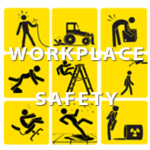
Every workplace can take simple steps to reduce injury risks and improve safety. While offices may seem less hazardous than industries like construction or aged care, risks exist everywhere. Common causes of injury include slips, trips, poor manual handling, incorrect workstation setup, lack of breaks, and repetitive strain. Left unaddressed, these issues impact productivity, morale, and absenteeism. Employers can follow 8 practical steps to minimise risks and create safer, healthier workplaces.
Approximately 1 in 3 workplace accidents result from manual handling related injuries and inexperienced employees often being at the greatest risk. Whether onsite or in offices these injuries can be avoided or minimised with appropriate training. Good posture and lifting techniques can help reduce the risks. Evidence also suggests workplace changes can also be effective strategy to minimise injuries.