by ABILITY GROUP | Oct 6, 2025 | Mental Health, Work Health & Safety, Workers Compensation
In today’s fast-evolving business landscape, staying informed isn’t just beneficial; it is essential. At ABILITY GROUP, we believe that understanding industry trends is the foundation for building resilient, forward-thinking organisations. Our latest insights reveal the key challenges and opportunities reshaping workplaces in 2025 and beyond.
(more…)
by ABILITY GROUP | Aug 18, 2025 | Managing Psychosocial Hazards, Mental Health, Work Health & Safety
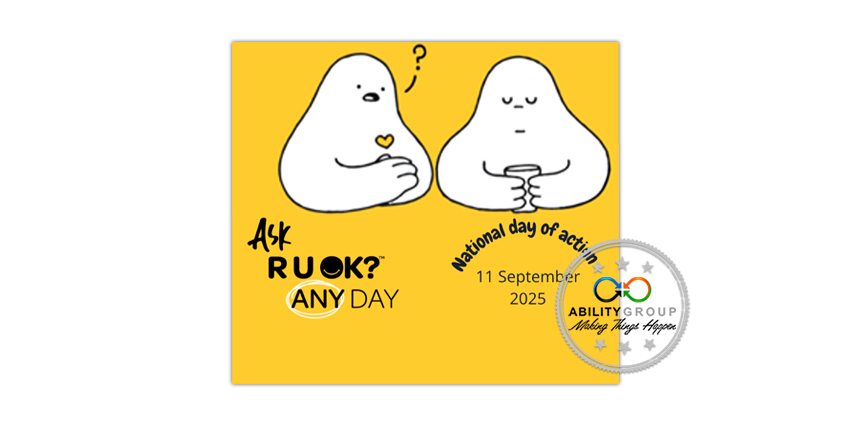
R U OK? Day is a National Day of Action dedicated to reminding Australians to check in with those around them and spark meaningful conversations about mental health and wellbeing. This year, it is held on Thursday 11th of September, and it serves as a powerful reminder that a simple question can make a life-changing difference.
(more…)

by Marc Ring | Jun 30, 2025 | Breaking News, Bullying, Health & Wellbeing, Mental Health, Work Health & Safety
In a landmark move to strengthen workplace protections, the Minns Labor Government has passed sweeping reforms that will impact over four million workers across New South Wales. These changes, enacted through the Industrial Relations and Other Legislation Amendment (Workplace Protections) Act 2025, mark a significant shift toward safer, fairer, and more inclusive workplaces.
(more…)
by Marc Ring | May 11, 2025 | Claim costs, Injury Prevention, Mental Health, Work Health & Safety, Workers Compensation
As the End of Financial Year (EOFY) approaches, businesses across Australia prepare to celebrate achievements, reward teams, and reflect on the year’s progress. EOFY workplace celebrations are a fantastic way to boost morale and strengthen company culture, but safety must remain a top priority.
At ABILITY GROUP, we’re committed to helping organisations create safe, inclusive, and compliant work environments. That includes making sure EOFY events are enjoyable without compromising wellbeing or legal obligations.
(more…)

by ABILITY GROUP | Jan 17, 2024 | Injury Prevention, Managing Psychosocial Hazards, Mental Health, Work Health & Safety
Psychosocial hazards can lead to both psychological and physical damage. Generally, psychological injuries arising from work-related factors involve lengthier recovery periods, higher costs and increased time off from work. Under the model WHS laws, a person conducting a business or undertaking (PCBU) must manage the risk of psychosocial hazards in the workplace.
(more…)

by ABILITY GROUP | Nov 28, 2022 | Claims, Health & Wellbeing, Mental Health, Work Health & Safety, Workers Compensation
The rise in mental health claims in workers' compensation highlights a growing challenge for employers, insurers, and regulators. With psychological injuries now representing a significant portion of workplace claims, the system faces mounting pressure to balance fair compensation with sustainability. For businesses, understanding this trend is essential to ensure compliance, manage costs, and support employee wellbeing.
Read more: Mental Health Claims Increasing
The Growing Trend
Recent data shows a steady increase in claims related to stress, anxiety, depression, and other psychological conditions. Key drivers include:
- Workplace pressures such as high workloads, tight deadlines, and organisational change.
- Post-pandemic impacts, with employees reporting heightened stress and burnout.
- Greater awareness and reduced stigma, encouraging more workers to lodge claims.
Implications for Employers
- Rising claims can lead to higher premiums and increased scrutiny from regulators.
- Employers must strengthen mental health policies, including proactive support and early intervention strategies.
- A focus on workplace culture and resilience programs can reduce risk and demonstrate compliance.
Impact on Employees
- Workers benefit from structured recovery support, including counseling and rehabilitation services.
- However, stricter thresholds mean claims must be well-documented with clear medical evidence.
- Early reporting and engagement with return?to?work programs improve outcomes.
Insurer and Legal Perspectives
- Insurers face growing costs but gain predictability through reforms emphasizing rehabilitation.
- Legal practitioners must adapt strategies to new entitlement rules and dispute resolution frameworks, particularly for psychological injury claims.
Conclusion
The increase in mental health claims underscores the importance of a proactive, compliant approach to workplace wellbeing. Employers, employees, insurers, and legal professionals must work together to ensure that compensation systems remain fair, sustainable, and focused on recovery.
Source: Seda
Title: Workplace face escalating mental health claims without action
Read time: 2mins
Contact Ability Group to know more
