Coronavirus (COVID-19) & Workers Compensation

Coronavirus (COVID-19) & Workers Compensation

Under the Workers Compensation Act 1987 illnesses caused through a work environment may be considered a workers compensation claim. SIRA has therefore confirmed the Coronavirus (COVID-19) disease related illnesses may be considered valid claims. Employers are also able to reprocess premiums if their wages drop more than 30%.

(more…)
Mental Health

Mental Health

Mental health issues are the 3rd most frequent health condition after cancer & health disease.  This means supervisors are likely to be managing workers suffering from a mental illness. We have identified common mental health hazards & workplace risk mitigation strategies.

An increasing concern for many businesses are the risks of mental health related incidents, injuries and resulting workers compensation claims.

(more…)
R U OK?

R U OK?

R U OK? is a national mental health initiative that encourages people to ask a simple but important question: “Are you OK?” The campaign highlights the importance of meaningful conversations to support those who may be struggling.

In 2025, the theme is “Ask R U OK? Any Day”, reminding us that mental health conversations shouldn’t be limited to one day a year, they should be part of everyday workplace culture.

(more…)
Mental Illness – Fastest Growing Workplace Injury

Mental Illness – Fastest Growing Workplace Injury

Mental illness is now recognised as the fastest-growing workplace injury worldwide, costing businesses hundreds of billions annually and impacting employee wellbeing more than traditional physical injuries. Employers who fail to address psychosocial hazards risk higher absenteeism, reduced productivity, and significant compensation claims.


Why Mental Illness is the Fastest Growing Workplace Injury

  • Independent research shows psychological injuries are increasing faster than physical ones.
  • Workplace stressors such as unrealistic workloads, poor management practices, bullying, and lack of support contribute to rising cases.
  • Surveys reveal that over 60% of employees have experienced mental illness due to employers failing to manage psychosocial hazards.

Economic and Organisational Impact

  • Cost to businesses: Mental illness costs hundreds of billions per year globally in lost productivity, compensation claims, and healthcare.
  • Absenteeism & presenteeism: Employees either miss work or attend while mentally unwell, reducing efficiency.
  • Retention challenges: High turnover rates occur when workplaces neglect mental health.
  • Legal exposure: Employers face growing liability under workplace health and safety laws if psychological hazards are ignored.

Key Recommendations for Employers

  • Treat psychological health like physical health: Workplace Health & Safety (WHS) frameworks must prioritise mental wellbeing equally.
  • Implement no-liability treatment policies: As recommended by the Productivity Commission, workers should access mental health support without complex claims processes.
  • Promote supportive culture: Encourage open conversations, reduce stigma, and provide training for managers.
  • Risk assessments: Regularly identify and mitigate psychosocial hazards such as excessive workloads or toxic team dynamics.
  • Employee assistance programs (EAPs): Offer confidential counseling and mental health resources.

Risks of Ignoring Mental Health

Reduced competitiveness due to lower productivity and innovation.

Legal penalties under workplace safety laws.

Reputation damage from poor employee wellbeing practices.

Conclusion

Mental illness is no longer a secondary workplace issue, it is the fastest-growing workplace injury and demands urgent action from employers. By prioritising psychological health alongside physical safety, organisations can reduce costs, improve employee wellbeing, and build resilient, productive teams.

The
Australian Council of Trade Unions has welcomed some recommendations from the
Productivity Commission, including no-liability treatment for mental health
injuries and claims.

Psychological
health and safety should be treated with the same importance as physical health
and safety and WHS in the workplace.

ACTU conducted a survey this year and I was found that over 60% of respondents had experienced It was also found in this survey that nearly half of participants felt their employers were not prepared to support workers experiencing mental illness in the workplace.

At ABILITY GROUP, we specialise in workplace health and safety strategies that protect both physical and psychological wellbeing.

SOURCE: https://www.miragenews.com/mental-illness-fastest-growing-workplace-hazard-costs-hundreds-of-billions-per-year/

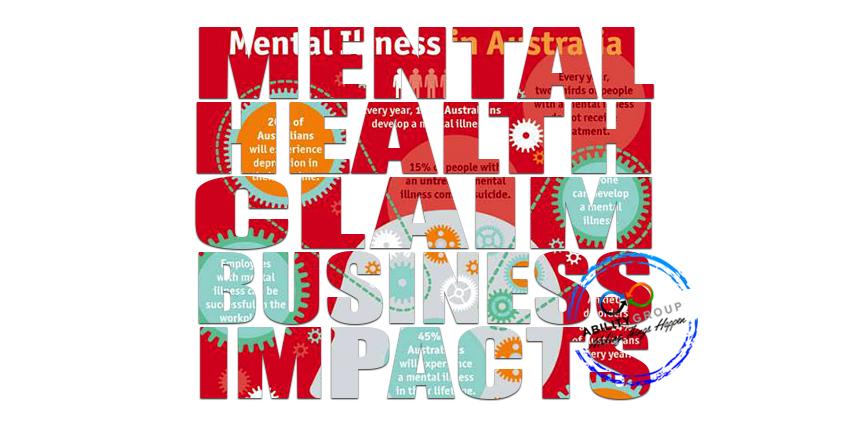
Mental Illness @ Work

Mental Illness @ Work

Recent research found employers are failing to acknowledge & address the mental health of their staff. As part of a SafeWork strategy, a group of experts identify construction & scientific industries as the worst offenders.


Mental Illness @ Work

SafeWork NSW research shows many employers neglect staff mental health, with the construction and scientific industries among the worst performers.

The NSW Mental Health Commission reports that 17% of people experience mental illness annually, with another 23% facing undiagnosed issues, impacting about 600,000 small business workers each year.

Evidence shows current workplace mental health programs focus on large organisations, overlooking the unique needs of small businesses.

A recent independent survey of more than 2000 employees across NSW businesses showed that close to one in five employers had only basic awareness of mental health issues and viewed mental health as an individual's responsibility and nearly 50% of the businesses in NSW have no procedures in place to handle situations related to mental health appropriately.

These findings are alarming considering mental illness is now the leading cause of long-term sickness absences among workers in the country. A person with a severe mental health condition can have up to 42 days off work, in addition to normal sick leave costing NSW employers an estimated $2.8 billion annually according to a 2014 PWC report.

Given the importance of mental health in terms of the human and financial cost to workplace safety and business profitability, it is pivotal to implement an effective management strategy regardless of the size of the business. It is also a legal obligation of employers to manage health and safety risks in the workplace, which includes mental health.

While traumatic events are unforeseen, employers and managers have a duty to support workers affected by mental health problems.
Sources:

www.safework.nsw.gov.au

http://www.smh.com.au/national/health/half-of-nsw-businesses-have-no-mental-health-strategy-survey-using-new-algorithm-shows-20171018-gz34p2.html

http://www.theherald.com.au/story/4989711/mental-illness-at-work-in-focus/

Australian Bullying Guidelines

Australian Bullying Guidelines

Stopping Workplace Bullying

In Australia, employers must prevent discrimination, harassment and bullying, ensuring all workers and job applicants are treated fairly. WHS laws require safe workplace behaviours, and employers must minimise or eliminate health and safety risks caused by bullying. Safe Work Australia has updated its bullying guidance to help managers and workers prevent and manage this issue.

(more…)