The State Insurance Regulatory Authority (SIRA) plays a vital role in ensuring workplace safety and recovery for injured employees across New South Wales. In response to the challenges posed by COVID?19 and the evolving needs of businesses, SIRA has rolled out new initiatives designed to strengthen both worker recovery and employer support.
Under the Workers Compensation Act 1987 illnesses caused through a work environment may be considered a workers compensation claim. SIRA has therefore confirmed the Coronavirus (COVID-19) disease related illnesses may be considered valid claims. Employers are also able to reprocess premiums if their wages drop more than 30%.
Managing an employee with a workers compensation claim can be challenging & frustrating during normal business conditions, yet what do businesses need to do in unprecedented times of coronavirus (COVID-19)?
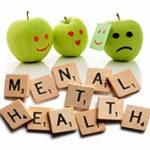
Mental health issues are the 3rd most frequent health condition after cancer & health disease. This means supervisors are likely to be managing workers suffering from a mental illness. We have identified common mental health hazards & workplace risk mitigation strategies.
An increasing concern for many businesses are the risks of mental health related incidents, injuries and resulting workers compensation claims.
The festive season is notorious for weight gain. The typical Australian Christmas is often centred around family, friends, eating & drinking. For many of us overindulging goes mostly unnoticed as we are busy socialising with family & friends.