by ABILITY GROUP | Aug 18, 2025 | Managing Psychosocial Hazards, Mental Health, Work Health & Safety
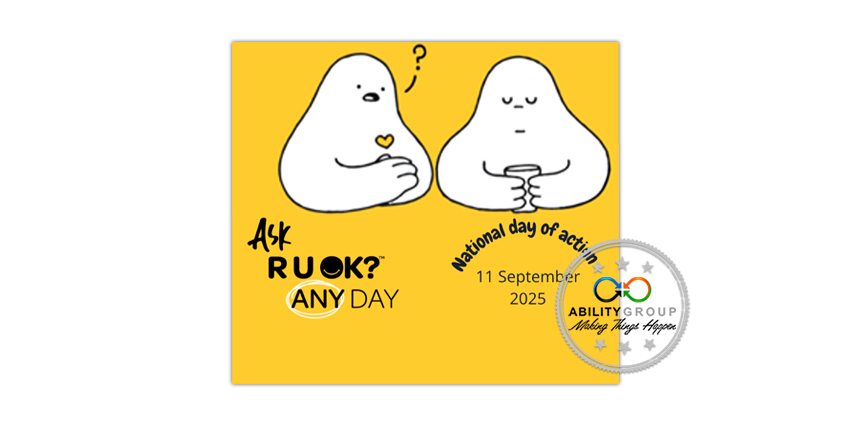
R U OK? Day is a National Day of Action dedicated to reminding Australians to check in with those around them and spark meaningful conversations about mental health and wellbeing. This year, it is held on Thursday 11th of September, and it serves as a powerful reminder that a simple question can make a life-changing difference.
(more…)
by ABILITY GROUP | Feb 19, 2024 | Claim management, Injury Management, Injury Prevention, Managing Psychosocial Hazards
In recent years, Australia has witnessed a concerning surge in workers' compensation claims related to mental health issues. This trend highlights rising mental health awareness and the need for strong workplace support systems. We delve into the factors contributing to this rise and explore potential solutions to address rising mental health claims.
Understanding the Rise
The increase in mental health-related workers' compensation claims in Australia is multifaceted and can be attributed to several key factors:
- Heightened Awareness: There has been a significant increase in awareness and recognition of mental health issues in the workplace. Employees are now more inclined to report mental health-related issues, leading to a rise in compensation claims
- Work-Related Stress: Modern workplaces often operate in high-pressure environments, leading to increased levels of work-related stress. Factors such as long working hours, tight deadlines, and job insecurity contribute to heightened stress levels among employees
- Stigma Reduction: Efforts to reduce the stigma surrounding mental health have encouraged individuals to seek help when experiencing psychological distress. This has resulted in more employees coming forward to seek support and lodging compensation claims for work-related mental health issues
- Changing Work Dynamics: Remote work, accelerated by COVID-19, brings isolation, blurred boundaries, and mental health challenges.
- Inadequate Support: Many workplaces still lack resources to effectively address mental health needs. This deficiency can exacerbate existing problems and contribute to the rise in compensation claims
Addressing the Issue
To address rising mental health claims, implement strategies that prioritise employee well-being. Here are some potential solutions:
- Promoting Mental Health: Employers should prioritise awareness programs to build a supportive, inclusive workplace. This includes providing education on stress management, resilience building, and destigmatising conversations around mental health
- Work-Life Balance: Promote flexible schedules, regular breaks, and manageable workloads to reduce stress and support well-being
- These services should be easily accessible and confidential to encourage employees to seek help when needed
- Training Managers and Supervisors: Providing managers and supervisors training on recognising signs of mental distress, managing workloads effectively, and offering appropriate support can play a crucial role in preventing mental health issues and reducing workers' compensation claims
- Creating a Psychologically Safe Environment: Organisations must prioritise creating a psychologically safe work environment where employees feel comfortable discussing mental health concerns without fear of judgment or reprisal. Open communication channels and supportive leadership are essential in fostering trust and well-being.
- Regular Monitoring and Evaluation: Employers should regularly monitor and evaluate the effectiveness of their mental health initiatives to identify areas for improvement and ensure that the needs of employees are being met adequately
The rise in mental health-related compensation claims in Australia underscores the urgent need for proactive workplace support. Prioritizing awareness, supportive policies, and open culture can reduce risks and build resilient, healthy workplaces. Collaboration among employers, policymakers, and stakeholders is key to ensuring workforce well-being
Mental health or psychological workers compensation claims are typically 7-8 times more than physical injuries. They are often complex & if not actively managed, they can have substantial impacts to your business.
Need help with a psychological or mental health related claim, contact our team to discuss.
For further information, please refer:
Source: SafeWork
Title: Psychological health and safety in the workplace report
Read Time: 10+ minutes
by ABILITY GROUP | Nov 28, 2022 | Claims, Health & Wellbeing, Mental Health, Work Health & Safety, Workers Compensation
The rise in mental health claims in workers' compensation highlights a growing challenge for employers, insurers, and regulators. With psychological injuries now representing a significant portion of workplace claims, the system faces mounting pressure to balance fair compensation with sustainability. For businesses, understanding this trend is essential to ensure compliance, manage costs, and support employee wellbeing.
Read more: Mental Health Claims Increasing
The Growing Trend
Recent data shows a steady increase in claims related to stress, anxiety, depression, and other psychological conditions. Key drivers include:
- Workplace pressures such as high workloads, tight deadlines, and organisational change.
- Post-pandemic impacts, with employees reporting heightened stress and burnout.
- Greater awareness and reduced stigma, encouraging more workers to lodge claims.
Implications for Employers
- Rising claims can lead to higher premiums and increased scrutiny from regulators.
- Employers must strengthen mental health policies, including proactive support and early intervention strategies.
- A focus on workplace culture and resilience programs can reduce risk and demonstrate compliance.
Impact on Employees
- Workers benefit from structured recovery support, including counseling and rehabilitation services.
- However, stricter thresholds mean claims must be well-documented with clear medical evidence.
- Early reporting and engagement with return?to?work programs improve outcomes.
Insurer and Legal Perspectives
- Insurers face growing costs but gain predictability through reforms emphasizing rehabilitation.
- Legal practitioners must adapt strategies to new entitlement rules and dispute resolution frameworks, particularly for psychological injury claims.
Conclusion
The increase in mental health claims underscores the importance of a proactive, compliant approach to workplace wellbeing. Employers, employees, insurers, and legal professionals must work together to ensure that compensation systems remain fair, sustainable, and focused on recovery.
Source: Seda
Title: Workplace face escalating mental health claims without action
Read time: 2mins
Contact Ability Group to know more
by ABILITY GROUP | Oct 3, 2022 | Health & Wellbeing, Mental Health
October's spotlight is on Mental Health Month, which raises awareness on the importance of wellness and helps people with resources and support to improve and wellbeing. With World Mental Health Day on 10th October, Australia aims to provide strategies, tips & support to help people in need.
Community events for the Month are held throughout October each year across Australia and coincide with World Mental Health Day on 10th October. People can connect through various support channels such as conferences, online events, mindfulness workshops, charity walks, and learn from resource toolkits and other resilience strategies to cope with the mental stressors of daily life.
1 in 5 Australians experiences the following symptoms every year. For many people and businesses facing the impacts of daily stressors, including Covid, social isolation, rising living costs and so on, awareness and resilience have become more important in leading a more positive and fulfilling life.
Some tips to look on:
- Connect with people and have good relationships
- Stay physically active
- Stay present in the moment (mindfulness)
- Sleep early
- Eat and drink healthily
- Volunteer in the community
- Learning ways to manage stress
- Limit social media/screen time
- Learn a new skill
- Have a ‘You’ Day to do things you enjoy
In the workplace, employers can promote positive practices to promote mental wellness at work. This can lead to positive outcomes such as higher morale, better performance, less absenteeism and lower staff turnover. This can also reduce workers compensation claims related to ‘mental injury’.
Looking after your mental health matters and learning how to be resilient and mindful of your own wellbeing will help you thrive in your personal life and workplace.
Source: Mental Health Australia
Title: Mental Health Month
Read time: 7 mins
by ABILITY GROUP | Feb 7, 2022 | Mental Health, Work Health & Safety
The current outbreak of Omicron has led to increasing challenges for mental health. SIRA has launched a new mental health support line to provide a free service for individuals experiencing a mental health concern. Read more to find out about this new support line...
(more…)